

Let me tell you something I hear at least three times a week here at our Flushing office: "I've always wanted to go on a cruise, but I have no idea where to start." And honestly? That's exactly why I love what we do. Because cruising doesn't have to be complicated, and you definitely don't need to figure it all out on your own.
After years of booking cruises for first-timers, I've learned that most people have the same questions, the same worries, and the same "what-ifs" running through their minds. So I'm going to walk you through everything you need to know to have an incredible first cruise: no guesswork, no stress, just straightforward advice from someone who's been doing this for a while.
Picking Your First Cruise Line (Because They're Not All the Same)
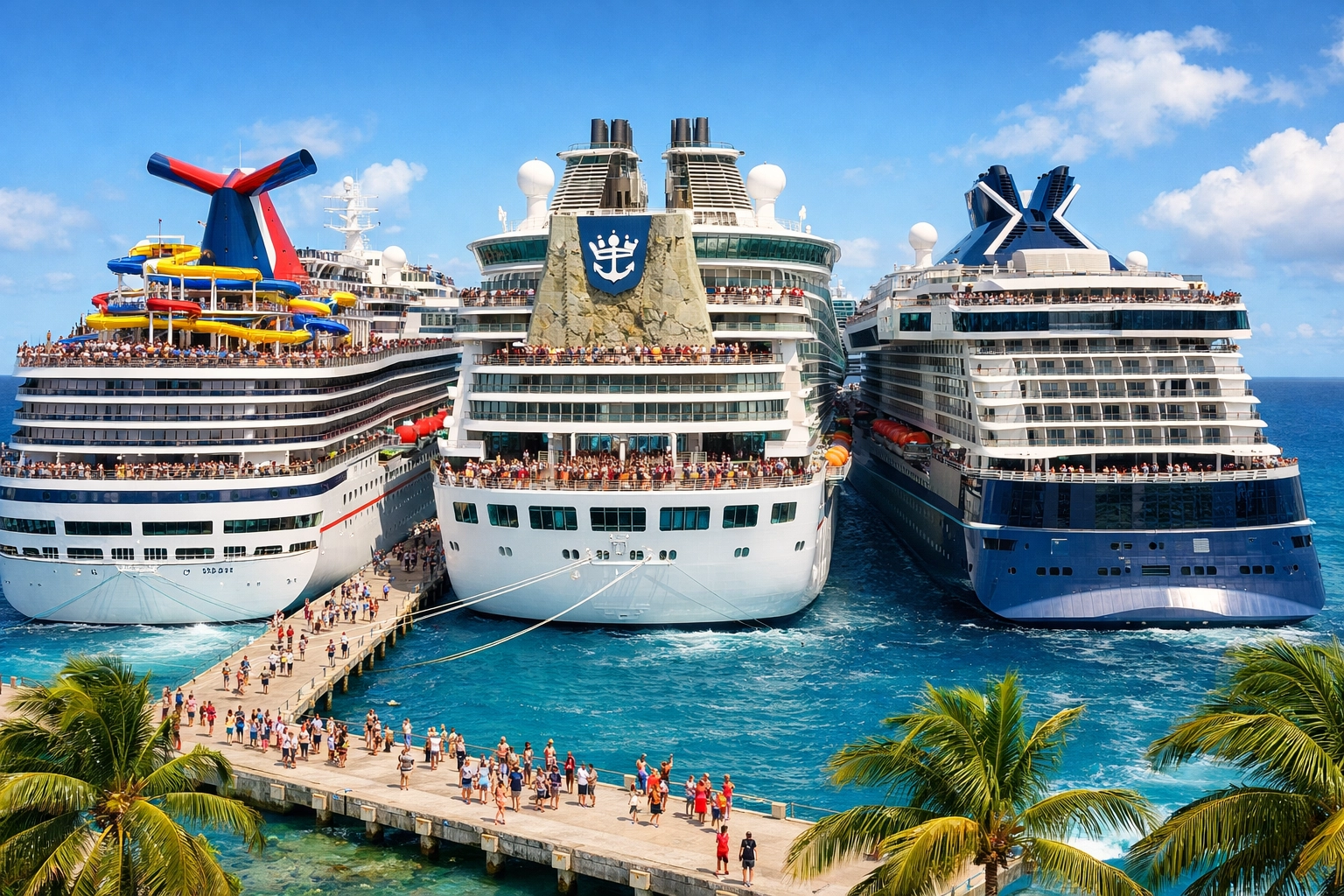
Here's the thing: Carnival, Royal Caribbean, and Norwegian are all fantastic cruise lines, but they've got totally different personalities. And matching your style to the right cruise line makes all the difference.
Carnival is what I call the "fun ship" experience. Think water parks, casual vibes, and a laid-back atmosphere where nobody's worried about formal nights or fancy dining. If you've got kids or you just want to relax without any pretense, Carnival's your jam. Plus, they're typically the most budget-friendly option, which matters when you're testing the waters (pun intended) for the first time.
Royal Caribbean is for folks who want a bit more action. We're talking rock climbing walls, ice skating rinks, zip lines, and Broadway-caliber shows. Their ships are massive floating resorts with something happening every minute of the day. If you get bored easily or you've got active teenagers, Royal Caribbean delivers.
Norwegian does what they call "Freestyle Cruising," which basically means you eat when you want, wear what you want, and do what you want. No assigned dining times, no dress codes to stress about. It's perfect for people who don't like being told when to show up for dinner.
My advice? Tell me (or any good cruise specialist) about your typical vacation style, and we'll match you to the right line. That's literally what we do all day.
What to Actually Pack (And What You Can Leave Home)
I cannot tell you how many clients come back and say, "You were right about not bringing those extra shoes." Packing for a cruise isn't like packing for a regular vacation, and here's why: you're going to have everything you need onboard.
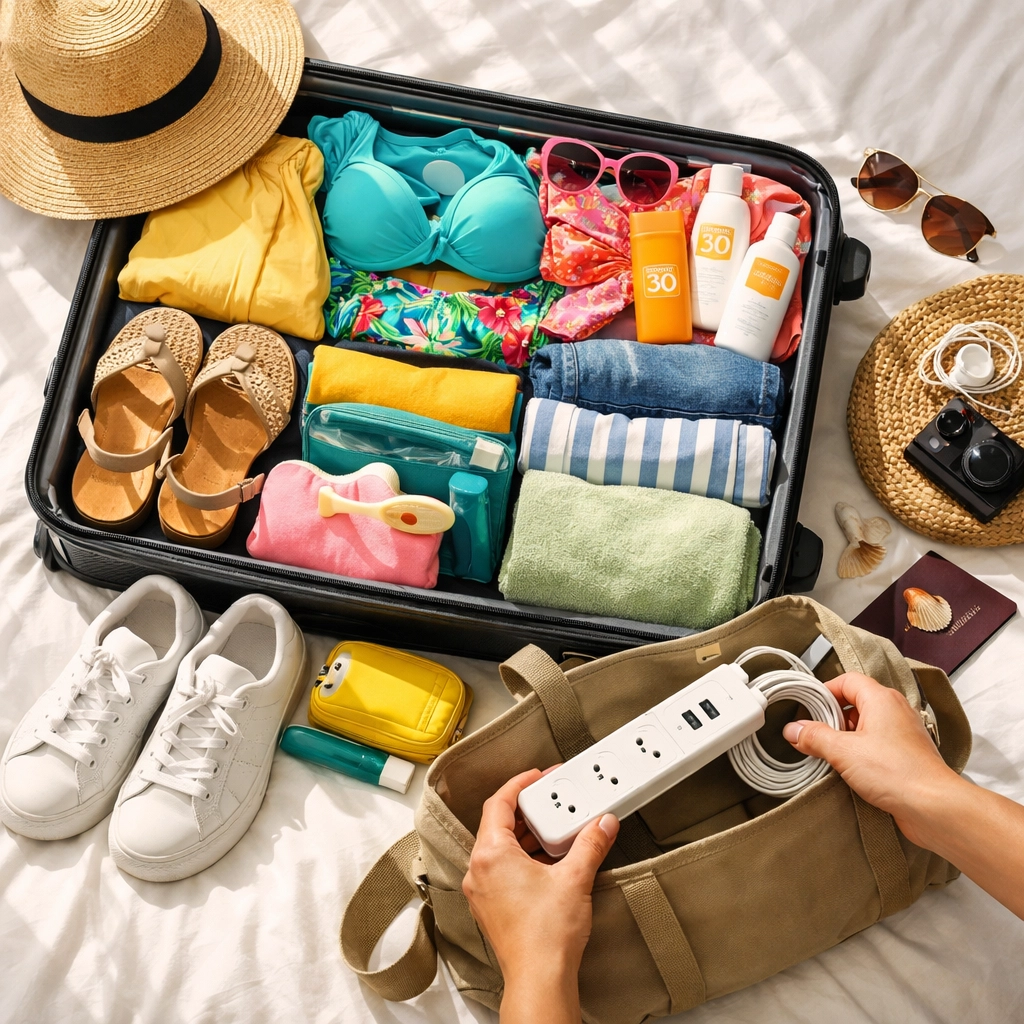
Bring this stuff:
- One nice outfit for formal night (guys, a button-down and slacks works fine)
- Comfortable walking shoes for shore excursions
- Swimsuits (plural: you'll want a dry one ready)
- Sunscreen (way cheaper to pack it than buy it onboard)
- A small day bag for port days
- Any prescription medications in original bottles
- A power strip (cabins never have enough outlets)
Leave this at home:
- Hair dryers and irons (ships have strict fire safety rules)
- Fifteen outfit changes (you'll wear the same stuff on repeat, trust me)
- Expensive jewelry (you won't need it and you'll worry about it)
- Every toiletry you own (ships provide basics, and there's shopping onboard)
One trick I always share: pack a change of clothes in your carry-on. Your checked luggage might not arrive at your cabin until later in the day, and you'll want to hit the pool or grab lunch while you're waiting.
Understanding "All-Inclusive" (Spoiler: It's Not Actually All-Inclusive)
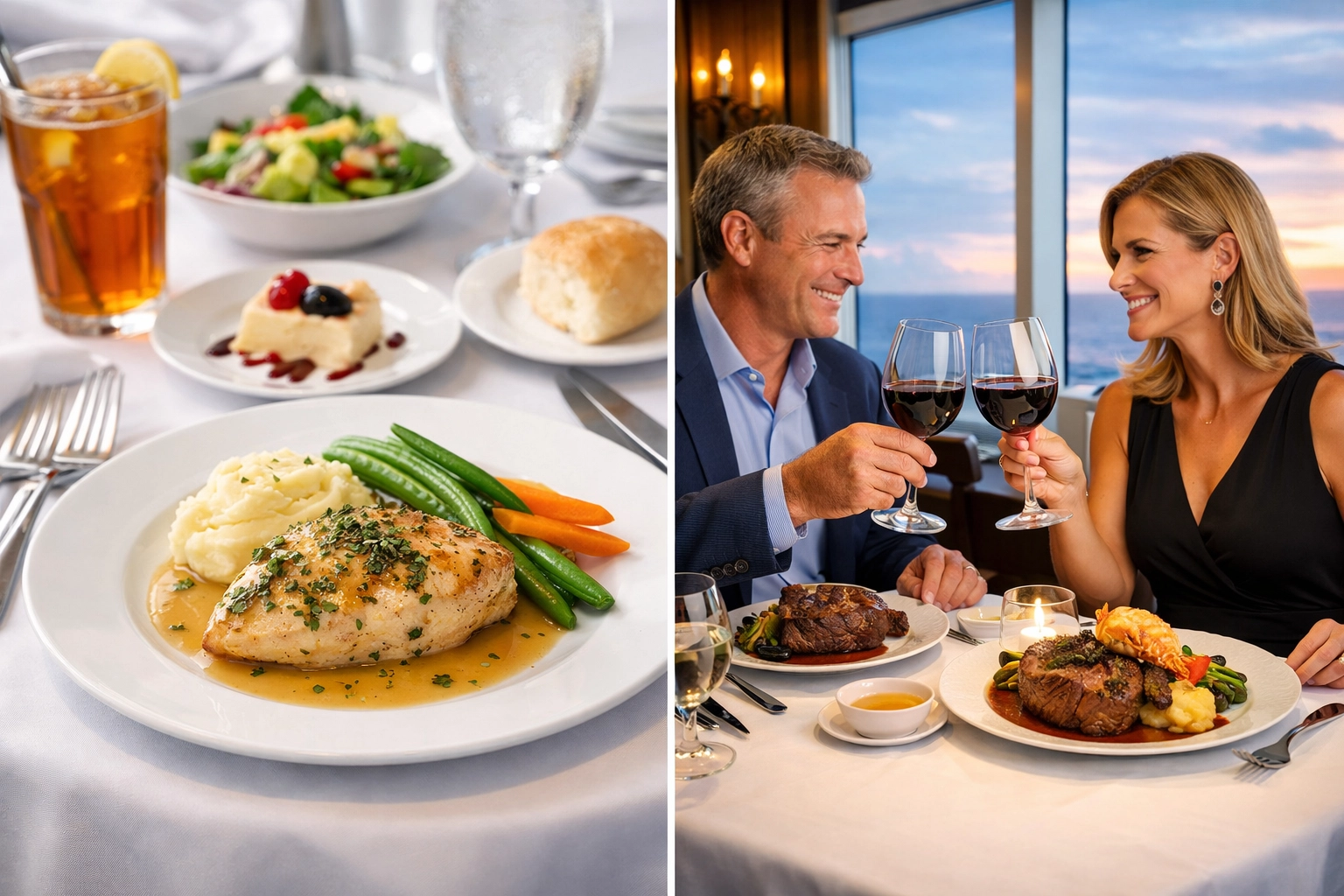
This is where people get confused, and honestly, the cruise lines don't make it super clear. Your cruise fare includes your cabin, main dining room meals, buffet food, most onboard activities, and entertainment. That's already a pretty incredible value.
What's NOT included:
- Alcoholic drinks (unless you buy a beverage package)
- Soda (seriously, even soda costs extra)
- Specialty restaurants (the steakhouse, Italian place, sushi bar, etc.)
- Shore excursions
- Spa treatments
- Photos
- Gratuities (budget about $14-16 per person, per day)
- WiFi
However, here's where working with a travel agent near me: or any good cruise specialist: really pays off. We know which ships have better included dining, which itineraries are worth splurging on excursions, and how to maximize what's already in your fare. We can also help you decide if beverage packages make sense for your group.
The Seasickness Question Everyone Asks
Let me be straight with you: modern cruise ships are incredibly stable. The bigger the ship, the less you feel movement. But if you're prone to motion sickness or you're genuinely worried about it, I've got you covered.
My local expert tips:
- Book a cabin midship (middle of the ship) on a lower deck: way less motion
- Look at the horizon when you're outside
- Stay hydrated and don't skip meals
- Bring ginger candies or those acupressure wristbands
- Ask the ship's doctor about the seasickness patch (way better than pills)
- Choose calmer itineraries for your first cruise (Caribbean beats Alaska for smooth seas)
I've had clients who were absolutely convinced they'd be sick the entire time, and they came back saying they never felt a thing. The ships have stabilizers, you're constantly moving, and honestly, you're having so much fun you forget to think about it.
Your First Day: What to Actually Expect
Embarkation day feels chaotic, but there's a rhythm to it once you know what's happening. You'll check in (if you did online check-in beforehand, this is super quick), go through security, and then you're on the ship. Your cabin might not be ready yet, but the buffet is open and the pools are already full of people.
Here's what I tell everyone to do immediately:
- Grab lunch at the buffet
- Walk the entire ship: seriously, just explore
- Find the main dining room, pool deck, and theater
- Book any specialty dining or spa appointments ASAP (they fill up fast)
- Attend the mandatory safety drill (it's required, no getting out of it)
That first afternoon is your chance to get oriented before the ship even leaves port. By dinner, you'll feel like you know where everything is.
The Last Day Checklist (How to Get Home Without Stress)
This is where first-timers often stumble, so pay attention. The night before you disembark, you'll get instructions about your luggage. You put your bags outside your cabin by a certain time (usually around 10 PM), and the crew takes them off the ship for you. You keep a small bag with your essentials for the morning.
My foolproof last-day checklist:
- Pack everything except what you need for the morning
- Put luggage tags on your bags (the ship provides these)
- Keep medications, valuables, and travel documents with you
- Set aside clothes for disembarkation morning
- Double-check you've charged everything to your room that you want to charge
- Review your onboard account for any weird charges
- Keep your passport/ID accessible
- Don't oversleep: disembarkation starts early
The ship assigns you a disembarkation time based on your flight schedule or if you're self-disembarking. Just follow your instructions, and you'll be off the ship smoothly. Nothing to stress about.
Why Working With a Cruise Specialist Actually Matters
Look, you can absolutely book a cruise online by yourself. But here's what you miss: we monitor prices after you book and rebook you if fares drop. We know which cabins have obstructed views or noisy locations. We can get you onboard credits and perks. And when something goes wrong: because sometimes things do go wrong: you've got someone in your corner who knows how to fix it fast.
Our services don't cost you anything extra because the cruise lines pay us directly. You're getting expert advice, personal service, and local support for the same price you'd pay booking alone. That's just smart travel planning.
Ready to Book Your First Cruise?
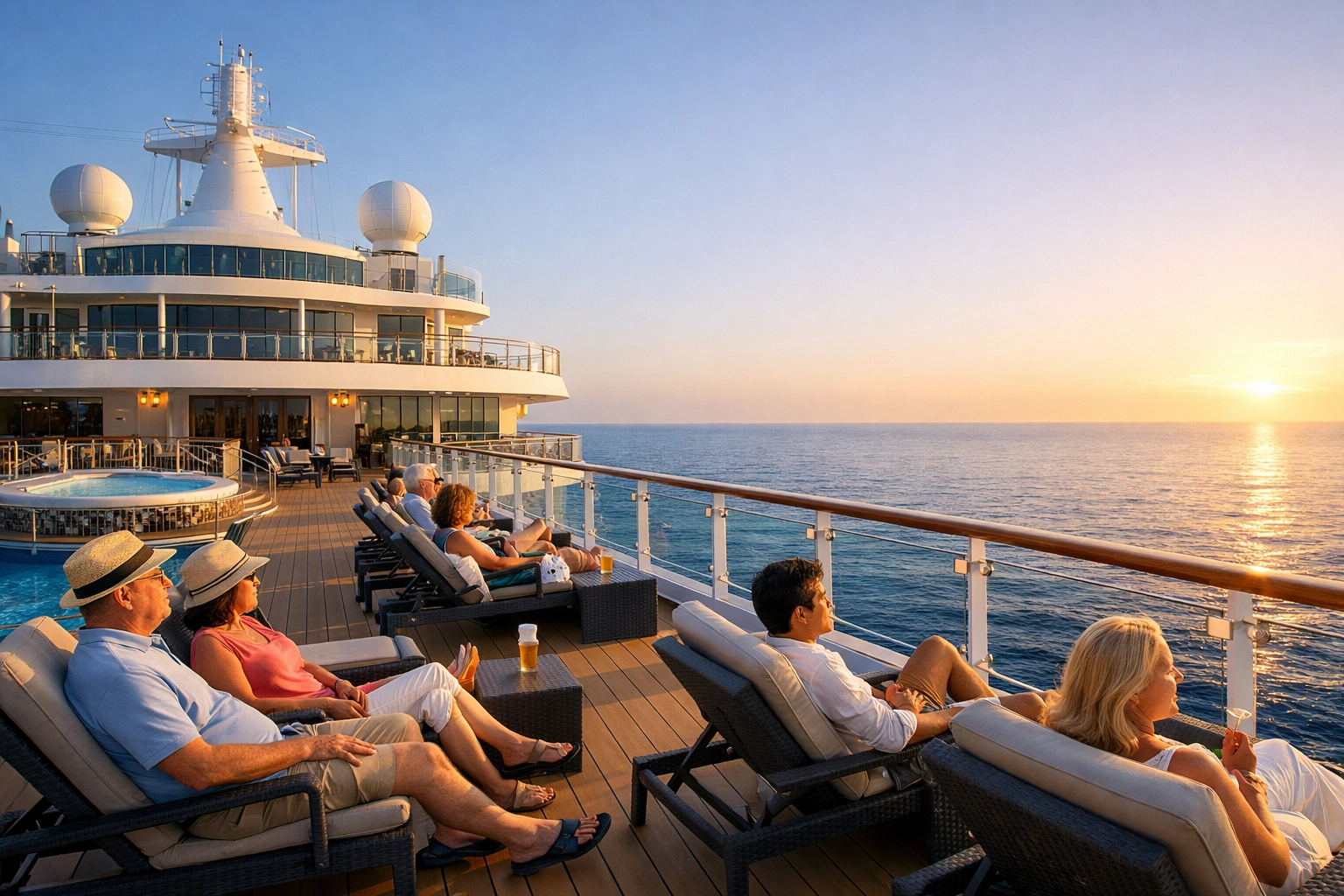
Here's my final piece of advice: start with a shorter cruise to a warm-weather destination. Three to five days in the Caribbean or Bahamas lets you experience cruising without a huge commitment. If you love it (and most people do), your next cruise can be longer and more adventurous.
We're right here in Flushing, MI, and we've been helping first-time cruisers for years. Give us a call at ITS Travel Services, and let's find the perfect cruise that matches your style, your budget, and your comfort level. No pressure, no sales pitch: just honest advice about what will actually make you happy.
The hardest part about cruising is deciding to do it. Everything else? We'll help you figure out together. Contact us today and let's get you on the water.