

Let me tell you something I hear at least three times a week here at our Flushing office: "James, I've never been on a cruise before. Where do I even start?" And honestly? That's exactly why I love what I do. Because booking a cruise isn't just about clicking buttons on some faceless website, it's about making sure your first voyage is actually, well, amazing.
After years of helping folks from right here in Flushing, MI and beyond plan their dream vacations, I've learned that first-time cruisers usually stress about the same five things. So let's tackle them all, right here, right now.
Picking Your First Cruise Line (Without Losing Your Mind)
Here's the deal: Carnival, Royal Caribbean, and Norwegian are the Big Three that most first-timers consider. And they're all fantastic, but they're also different.
Carnival is what I call the "fun ship" experience. Think lively atmosphere, families everywhere, Guy Fieri burgers, and prices that won't make you wince. If you've got kids or you just want a casual, party-friendly vibe without breaking the bank, Carnival's your jam.
Royal Caribbean sits in the middle, they've got the bells and whistles (rock climbing walls, ice skating rinks, Broadway shows) but they're still approachable for newbies. It's what I recommend most often for first-timers who want that "wow factor" without feeling overwhelmed.

Norwegian Cruise Line is all about flexibility. Their "Freestyle Cruising" means no assigned dining times, no formal nights unless you want them. Perfect if you hate schedules or you're traveling with picky eaters who can't agree on dinner plans.
When clients ask which one's "best," I always flip it back: What matters most to you? Price? Activities? Freedom? Once we nail that down at our office, picking the right line becomes easy.
Packing Hacks That Actually Matter
Okay, this is where people go off the rails. I've seen folks pack like they're moving to a deserted island, and I've seen others show up with nothing but a toothbrush and optimism.
Here's what you actually need in your carry-on bag: and I mean this needs to be in your hands when you board:
- Bathing suit and one full change of clothes. Your checked luggage? It's taking the scenic route to your cabin. Could be hours. Don't spend embarkation day in jeans when there's a pool calling your name.
- Medications, important documents, and phone charger. Never, ever pack these in checked bags.
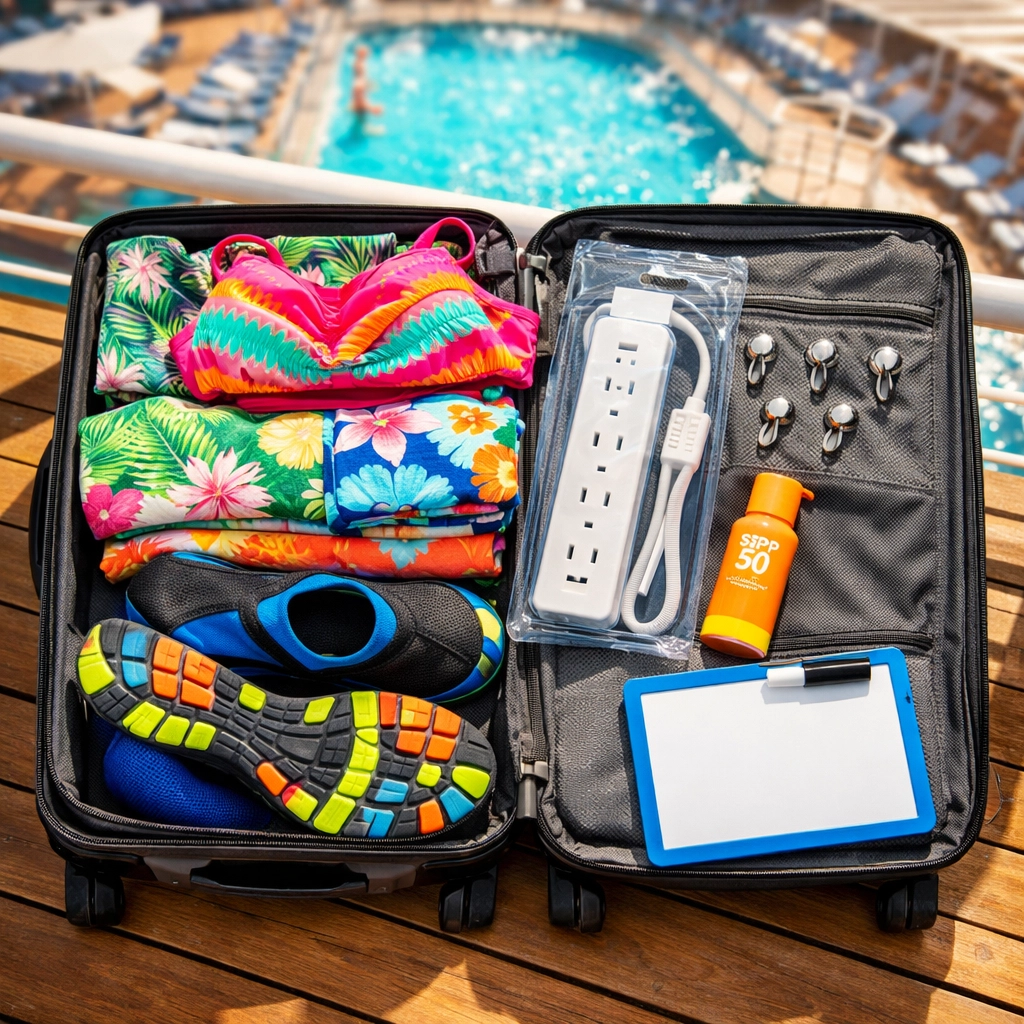
- Water shoes with traction. Trust me on this. Rocky beaches, wet pool decks, ropes courses: you'll use these more than you think.
For your main luggage, bring a power strip (still in the original packaging or they'll confiscate it). Cruise cabins have like two outlets total, and you've got phones, tablets, cameras, and who knows what else to charge.
Also? Magnetic hooks. Your cabin walls are metal. These little guys are lifesavers for organizing towels, lanyards, hats: whatever. And grab a small dry erase board for your cabin door. It's a cruiser tradition.
What to leave home? Hair dryers (cabins have them), iron (not allowed anyway), and half your shoe collection. You're on a ship, not a runway.
Decoding "All-Inclusive" (Spoiler: It's Not What You Think)
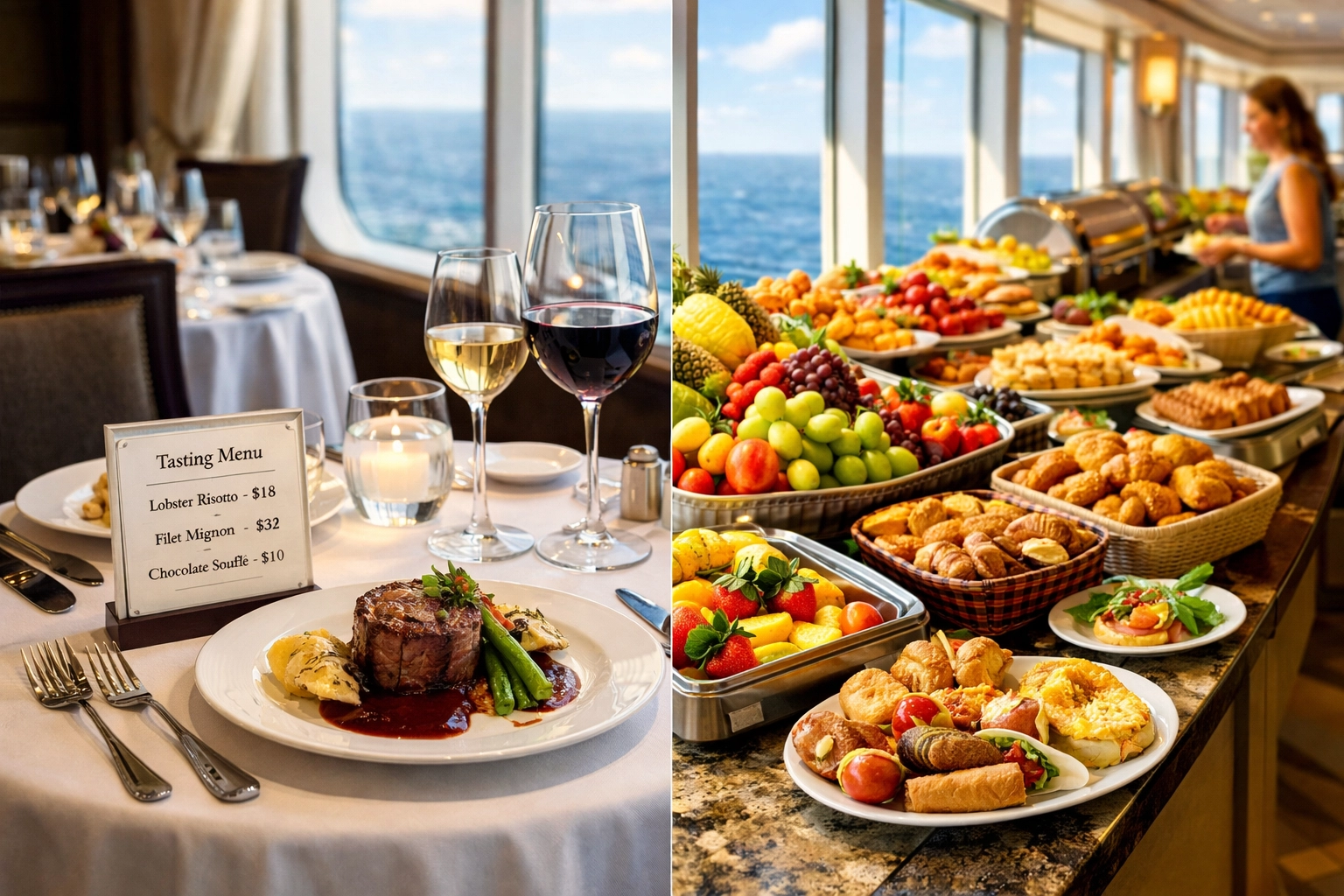
This trips up everyone. When cruise lines say "all-inclusive," they mean your cabin, meals in the main dining rooms and buffet, most entertainment, and basic amenities. That's it.
Here's what you're still paying for:
- Alcoholic drinks (unless you buy a beverage package)
- Specialty restaurants (steakhouses, Italian spots, sushi bars)
- Spa services and most fitness classes
- WiFi (and it's pricey)
- Shore excursions
- Gratuity/service charges (usually auto-added)
- Soda and bottled water (yep, even those)
Now, does that mean cruises aren't a good value? Absolutely not. When I help clients book a cruise, we map out the real costs upfront. Want unlimited drinks? We'll add the beverage package. Planning to hit the spa? We'll factor that in. No surprises, no stress.
The beauty of working with a travel agent near me, literally right here in Flushing: is that we break this stuff down before you ever swipe your credit card.
Avoiding Seasickness (The Stuff Big Websites Won't Tell You)
Let's be real: seasickness happens. Your body is adjusting to constant motion, even when you don't consciously feel it. If you've ever dealt with motion sickness, vertigo, or migraines, don't mess around with this.
Step one: Book a mid-ship cabin. These cabins literally experience less movement than front or back. It's physics. When I'm helping someone book a cruise who's nervous about getting sick, this is non-negotiable.
Step two: Choose a cabin with easy access to outdoor decks. Fresh air is your best friend. Being stuck in an inside cabin with no quick escape to the breeze? That's asking for trouble.
Step three: Treat sea days as recovery days. Don't pack your schedule like you're running a marathon. Hydrate, spend time outside, take it slow. Your body needs time to adjust.
And here's the insider tip nobody mentions: The ship's medical staff has seen everything. They've got tablets, advice, and zero judgment. If you start feeling queasy, go see them. Don't tough it out like some kind of nautical hero.
I always tell clients to bring their own ginger candies or motion sickness wristbands if they want extra insurance. Better to have them and not need them.
The Last-Day Checklist (So You Actually Get Home)
The final morning of a cruise is chaos if you don't plan ahead. Luggage pickup starts early, breakfast is packed, and everyone's trying to disembark at once.
Here's how we avoid the madness:
The night before departure, pack everything except what you need for the morning. Put that stuff in a small day pack or "last night bag." We're talking medications, phone chargers, change of clothes, toiletries: the essentials.
Your main luggage gets tagged and placed outside your cabin the night before (usually by 10 or 11 PM). The crew picks it up overnight, and you'll collect it at the terminal after you disembark. Keep your cruise card, passport, and any valuables with you.

Turn off mobile data roaming or switch to airplane mode before you get close to port. International roaming charges are no joke, and they can sneak up on you fast.
Here's the thing about disembarkation: The cruise line assigns you a time or group based on your departure plans (flights, driving, etc.). Don't ignore this. Trying to leave before your group is called just creates bottlenecks and stress.
Finally, if you've got an early flight home, build in buffer time. I've seen people miss flights because they cut it too close. When I help clients book a cruise, we always look at the full itinerary: including how you're getting home: so nothing falls through the cracks.
Why Booking With a Local Cruise Specialist Actually Matters
Look, I get it. You could spend hours researching all this online, comparing prices on seventeen different websites, and hoping you didn't miss some crucial detail. Or you could just call us.
When you work with ITS Travel Services, you're not getting some algorithm or call center rep reading from a script. You're getting someone who knows this stuff inside and out, who's sailed these ships, and who genuinely cares whether you have a good time.
We help you pick the right cruise line for your family, explain what's actually included, book the best cabin location for your needs, and make sure you're prepared for every step: from packing to that final morning.
First-time cruising should be exciting, not stressful. And that's exactly what we're here for.
Ready to book your first cruise the right way? Swing by our office or give us a call. Let's make this happen.
3 thoughts on “The Ultimate First-Time Cruiser's Survival Guide: From Packing to Seasickness (Your Local Expert's Secrets)”
Pingback: Best Cruise Deals 2026: 20 Ideas to Get You Started | ITS Travel Services
Pingback: Do You Really Need All-Inclusive Vacation Packages? Here’s the Truth for 2026 Travelers | ITS Travel Services
Pingback: Last Minute Travel Deals Secrets Revealed: What Experts Don’t Want You to Know About Cheap Vacation Packages on Cruises | ITS Travel Services